

Why Discovery Could Become the Most Important Part of an Autonomous Vehicle Case
For decades, motor vehicle litigation has relied on a familiar process. Attorneys gather police reports, interview witnesses, review photographs, inspect vehicle damage, and question the drivers involved. While these forms of evidence remain important, autonomous vehicle technology may significantly alter how crashes are investigated and litigated.
As artificial intelligence becomes more involved in vehicle operation, attorneys may increasingly find themselves asking questions that traditional discovery procedures were never designed to answer. When a self-driving system makes a decision that contributes to a crash, how can that decision be examined? What evidence should be available? Who controls the information needed to understand what happened?
The rise of autonomous vehicles introduces a new challenge for courts, litigants, and legal professionals: understanding how to investigate decisions made by software rather than people.
The Difference Between Human Decision-Making and Artificial Intelligence
In a traditional crash case, a driver can be questioned about what they saw, what they were thinking, and why they made a particular choice.
An attorney may ask:
- Why did you change lanes?
- Did you see the vehicle approaching?
- Why did you apply the brakes?
- What distracted you before the collision?
When an autonomous vehicle is involved, those same questions may not have straightforward answers.
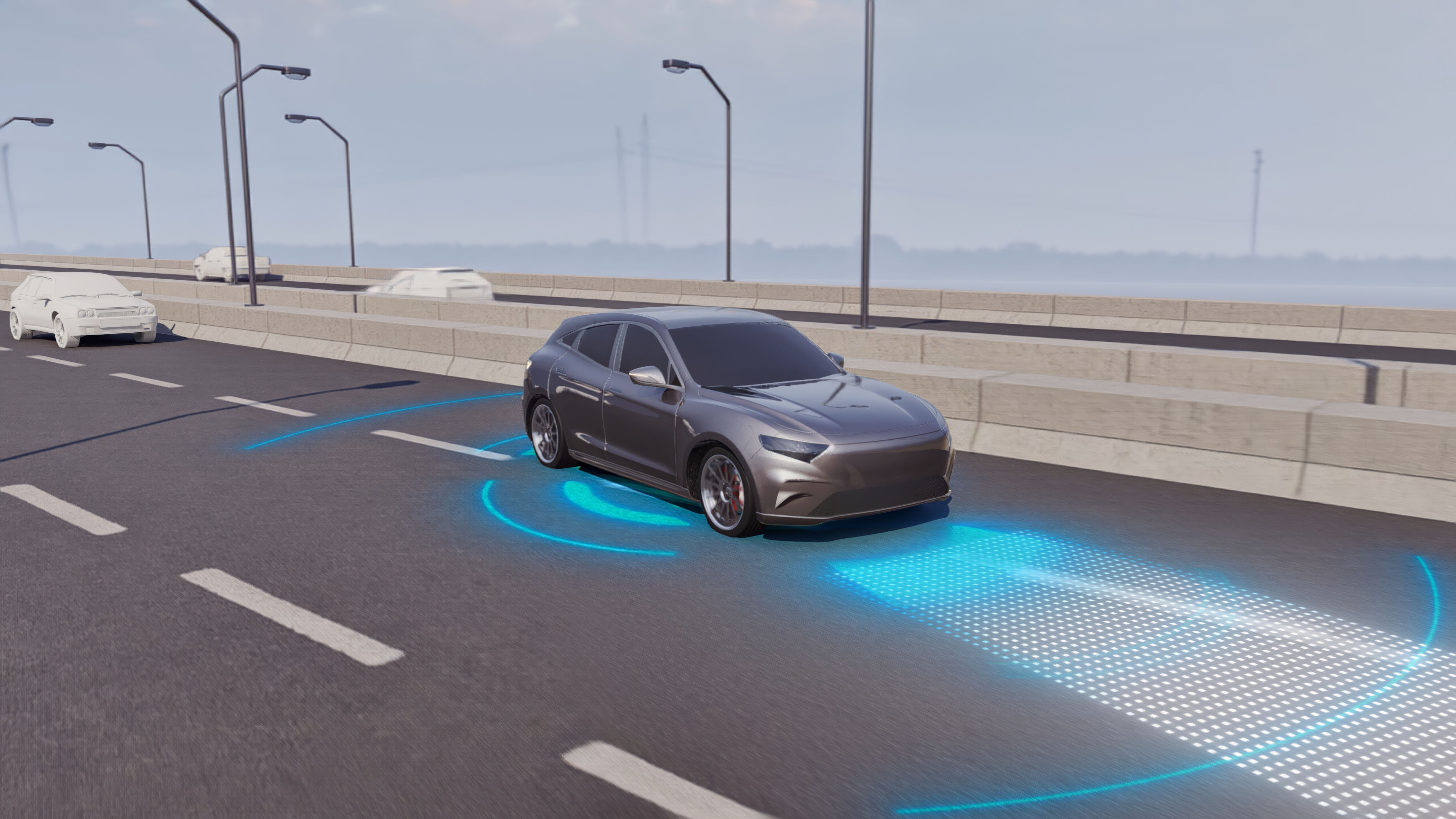
Instead of relying on human judgment, an automated driving system may use cameras, sensors, radar, mapping technology, machine learning models, and software algorithms to interpret its surroundings and make driving decisions. While the vehicle may record enormous amounts of information, understanding why a system acted in a particular way can be far more complicated than questioning a human driver.
This distinction creates unique discovery issues that courts may continue to encounter as autonomous technology becomes more common.
What Evidence May Become Important in Future Cases?
The evidence in an autonomous vehicle case may extend far beyond traditional crash documentation.
Potential sources of information could include:
- Sensor recordings
- Camera footage
- Radar data
- Lidar information
- Internal software logs
- Vehicle communications records
- Remote monitoring data
- Software update histories
- System performance reports
In some cases, attorneys may seek access to information showing how the vehicle interpreted road conditions moments before a collision occurred.
For example, a vehicle may identify an object, predict movement patterns, evaluate potential hazards, and choose a course of action within fractions of a second. Determining whether those actions were reasonable may require extensive technical analysis.
The challenge is not simply obtaining the data. It is understanding what the data means.
The Problem of Proprietary Technology
Manufacturers invest significant resources in developing autonomous vehicle systems.
As a result, companies may view certain software components, algorithms, and engineering processes as highly valuable trade secrets. This can create tension during litigation.
An injured party may argue that access to internal system information is necessary to evaluate whether the vehicle functioned properly. At the same time, manufacturers may seek to limit disclosure of proprietary technology that could reveal confidential business information.
Courts may increasingly be asked to balance these competing interests.
Questions could include:
- How much information should be disclosed?
- What technical records are relevant?
- How can trade secrets be protected while allowing meaningful discovery?
- What information is necessary to evaluate liability?
These issues could become major battlegrounds in future autonomous vehicle litigation.
Can Artificial Intelligence Explain Its Own Decisions?
One of the most fascinating legal questions surrounding artificial intelligence involves explainability.
A human witness can generally describe the reasoning behind a decision, even if that explanation is imperfect. Artificial intelligence systems do not communicate in the same way.
Some machine learning models generate outputs through processes that may be difficult for even their creators to fully interpret. As a result, attorneys may face situations where a vehicle’s actions can be identified, but the precise reasoning behind those actions remains unclear.
This creates a unique challenge.
If an AI system cannot fully explain why it made a decision, how should courts evaluate whether that decision was reasonable?
As autonomous technology evolves, legal standards may need to adapt to address these questions.
Expert Witnesses May Play a Larger Role
Because autonomous vehicle systems involve complex engineering and software design, expert testimony may become increasingly important.
Experts may be asked to evaluate:
- System performance
- Sensor functionality
- Data interpretation
- Software behavior
- Industry standards
- Vehicle decision-making processes
Rather than focusing solely on accident reconstruction, future cases may involve extensive analysis of technologies most jurors have never encountered.
This shift could make autonomous vehicle litigation substantially different from traditional motor vehicle cases.
Contact Rafi Law Group
Autonomous vehicle technology continues to raise important legal questions about liability, evidence, and accountability. As courts and manufacturers navigate these emerging issues, discovery may become one of the most critical aspects of future injury litigation.
If you have questions about an accident involving advanced vehicle technology or would like to learn more about your legal options, contact Rafi Law Group at (888) 408-6870 to discuss your situation with our team.